

Why Zenimal
What changes when a kid learns to breathe.
Not everything. But bedtime, the big feelings, and the two minutes before the next thing. Here's what that looks like at home.
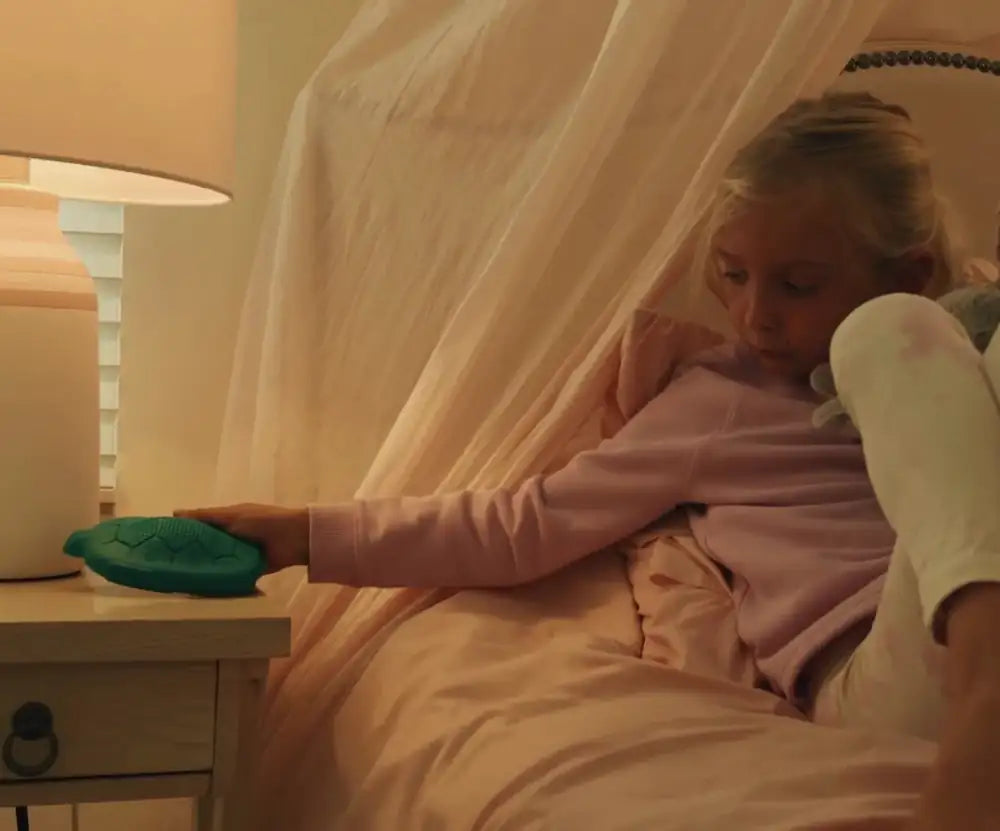
8:40 pm. The third trip out of bed.
You know this one. Teeth are brushed, the book is read, the light is off, and two minutes later there's a small voice at the door. Not thirsty, not scared exactly. Just not done with the day.
A meditation gives that restless mind a job. Follow the voice. Breathe when it says to. Picture the tree, the cloud, the warm light. Somewhere in the middle, the day lets go. Parents tell us the first week is the one they remember: the night their child pressed the button, lay back down, and stayed.
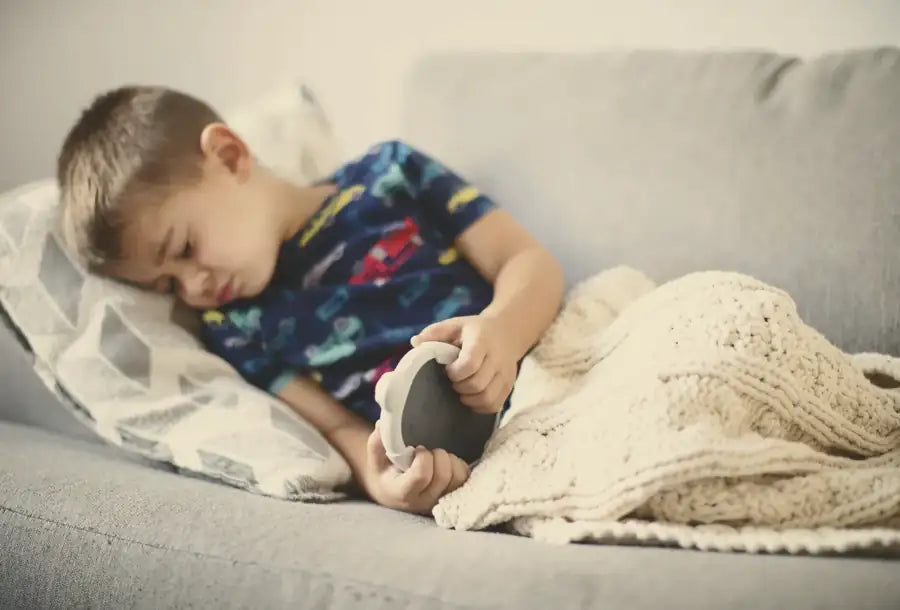
The feeling that's bigger than the kid.
Anger, worry, the wobble before a test. Children feel these at full volume and have almost no practice turning them down. Telling them to calm down doesn't work. You already know that too.
What meditation teaches, slowly and without a lecture, is a gap. A breath between the feeling and what they do with it. It's the same thing adults spend years learning in therapy, except a six-year-old can pick it up from a turtle in a couple of weeks. Not every time. But more times than before.
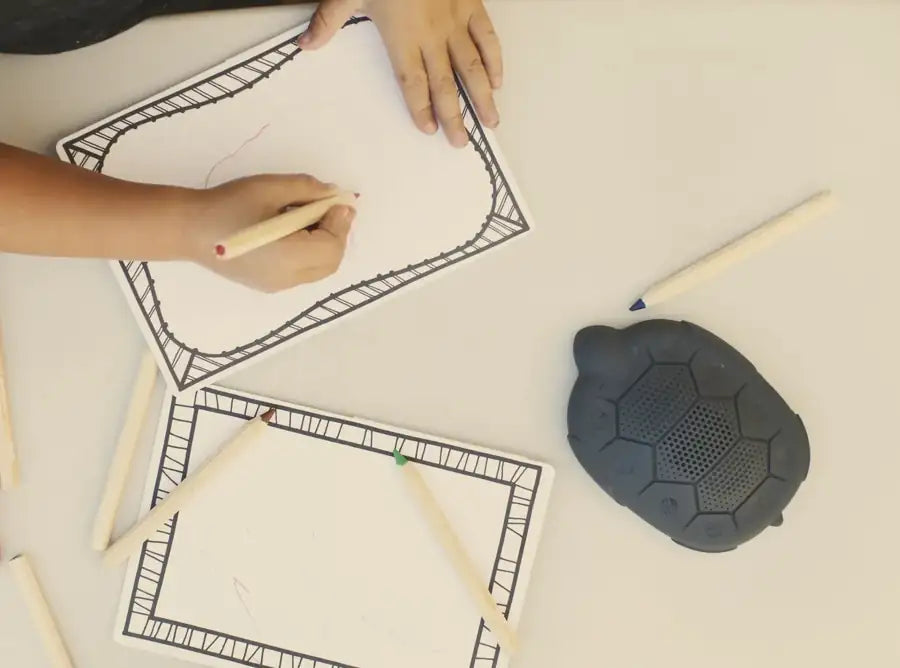
Two minutes before the next thing.
Teachers were the first to tell us about this. A Zenimal in the calm corner. A child who comes back from the breath meditation and can sit with the math again. A whole class that names its turtle and asks for it before a test.
Focus isn't a personality trait. It's a muscle, and short, repeatable practice is how it grows.
Noticing yourself, then noticing others.
Three of the nine buttons on a Zenimal are gratitude, empathy and awareness. They're the quiet ones. A child who learns to notice "I feel left out" starts to notice when someone else does. A child who hears "you're a good kid" at the end of a track, over and over, starts to believe it.
We can't put a number on that. We don't try.
I was eight when a psychologist taught me to breathe through a panic attack. It's the most useful thing anyone ever gave me. I built Zenimal so a child wouldn't need the right adult in the right room at the right moment to get it. They'd just need to press a button.
And you.
A lot of parents sit on the floor the first few nights and listen along. More than one has told us it was the calmest part of their own day. That's why Zenimal+ exists, and why Lisa Abramson recorded the Mama Collection: for the grown-up who's been holding everyone else together.

What the research says, briefly
The strongest evidence is for sleep and for anxiety. A 2015 randomized trial found a six-week mindfulness course improved sleep more than a sleep hygiene class. A 2014 review of 47 trials found moderate evidence that meditation eases anxiety and depression symptoms. A 2019 review of 33 trials in children and teens found real, if modest, gains in anxiety, stress and attention. Effects on the immune system are an open question with early, promising signals.
These studies looked at meditation in general, not at Zenimal. Zenimal isn't a medical device and doesn't treat anything. If your child's sleep or worry concerns you, talk with your pediatrician. Sources and more research.